

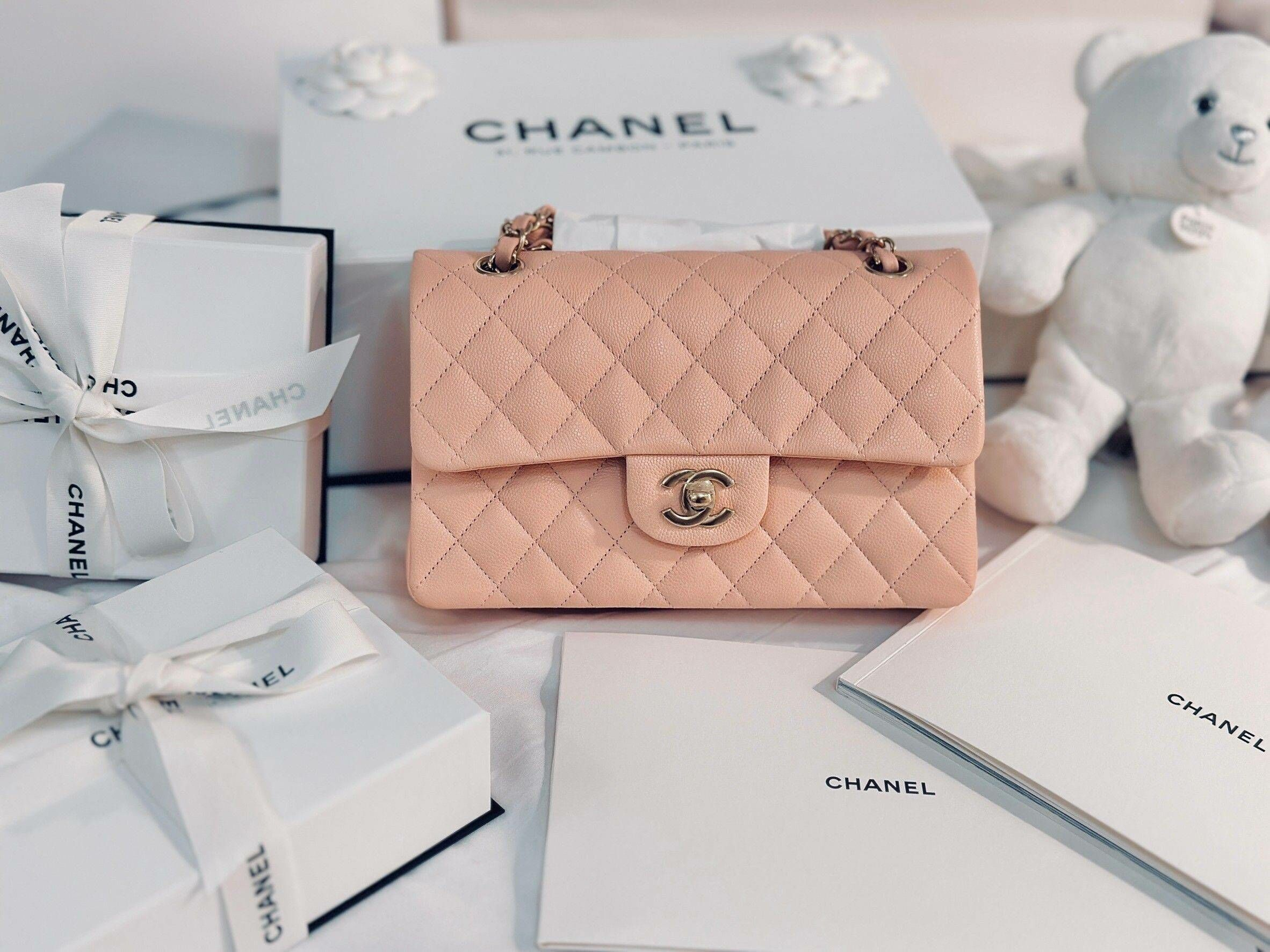
For many, owning a Chanel handbag is a dream realized. But beyond fashion, these iconic accessories offer more compelling investment potential. In a world where financial markets fluctuate and digital trends change overnight, Chanel handbags remain one of the few luxury items that retain and even increase in value over time.
This article explores why Chanel’s handbags are widely considered ultimate investment pieces through the lens of resale value, price appreciation, rarity, and timeless appeal.

One of the strongest arguments for investing in Chanel handbags is their consistent price growth. Unlike most consumer goods that depreciate after purchase, Chanel bags—especially the Classic Flap and 2.55 Reissue—have shown remarkable appreciation.
Over the past decade, Chanel has raised retail prices globally, often multiple times a year. For example, a Medium Classic Flap Bag that cost around $5,000 in 2015 now sells for over $10,000 in 2025. This upward trend reflects both brand strategy and increasing consumer demand.
As prices rise, vintage and pre-owned pieces also climb in value. For many buyers, this makes a Chanel handbag a tangible asset—more stable than stocks and stylish than gold.
Part of Chanel’s magic lies in its design consistency. While other fashion houses frequently reinvent their silhouettes, Chanel maintains its classic styles with subtle seasonal updates. This means a bag purchased in 2010 can still feel relevant and elegant in 2025.
Take the 2.55 Reissue, introduced by Gabrielle “Coco” Chanel in 1955. Its quilted leather, chain strap, and mademoiselle lock are instantly recognizable, embodying decades of history. Or the Classic Flap Bag, redesigned by Karl Lagerfeld in the 1980s, remains a cultural icon.
This timelessness makes Chanel handbags a safe bet: they never go out of style, making them easy to resell or pass down as heirlooms.

Chanel is intentional about limiting supply. The brand rarely floods the market with too many variations or surplus stock. Limited seasonal colors, exotic materials, and special editions are produced in small quantities, creating scarcity and driving demand.
Rare pieces such as metallic finishes, tweed seasonal editions, and exotic skin models are often sought after by collectors. When a certain style is discontinued or produced in low volume, its resale value can rise dramatically. It’s common to see rare Chanel handbags listed for 20–50% more than their original price.
This exclusivity adds a collector’s edge, transforming a handbag from an accessory into a valuable asset.
Another reason Chanel handbags make strong investments is their liquidity. A robust global resale market is fueled by fashion-conscious buyers in cities from Paris to Tokyo, New York to Dubai. Online luxury resale platforms like The RealReal, Vestiaire Collective, and Fashionphile consistently report Chanel as a top-selling brand.
What makes resale easier is Chanel’s global recognition and authentication standards. Buyers know what to expect—a bag made with premium materials, expert craftsmanship, and a reputation for quality. As a result, sellers can often recoup a significant portion (or more) of their original purchase price, sometimes even with profit.

The value of a Chanel handbag isn’t just tied to branding—it’s also about what goes into making it. Chanel uses the finest materials, including caviar leather, lambskin, calfskin, and real gold-plated hardware on specific lines. Skilled artisans in France or Italy handcraft each bag with careful attention to detail.
This craftsmanship means Chanel bags wear well over time. They maintain their structure, shine, and quality even with regular use. This durability is essential for long-term investment, as buyers prefer bags in excellent or very good condition.
If well cared for, a Chanel handbag can last decades, making it a true luxury item that delivers both form and financial function.
Chanel’s exclusivity doesn’t just come from its pricing—its brand positioning also powers it. The company doesn’t rely on discounts or outlet stores. There are no clearance sales, third-party markdowns, or mass-market dilution. This keeps the value of their products intact, unlike brands that often discount excess inventory.
In addition, Chanel’s marketing focuses on legacy, artistry, and Parisian elegance. From runway shows to celebrity endorsements, every aspect is curated to reinforce the brand’s high value in the luxury space. This brand equity is key in keeping resale prices strong and future demand consistent.

While numbers and returns are essential to any investment, Chanel handbags offer something more: emotional value. For many, purchasing a Chanel bag marks a milestone—an achievement, a celebration, or a reward.
And because the bags hold their style for decades, they can be worn across generations, blending nostalgia with present-day fashion. Few investment assets give such confidence, pride, and daily joy.
Wearing a Chanel handbag is more than accessorizing—it is participating in a legacy of empowerment, independence, and refinement.
For fashion lovers and savvy investors alike, Chanel handbags offer a rare combination of beauty, status, and financial upside. Their long-term price appreciation, timeless design, limited availability, and brand power make them one of the most reliable investment pieces in the luxury market.
Whether you’re eyeing your first Classic Flap or looking to expand your collection with a rare seasonal piece, Chanel handbags offer more than style—they offer security, prestige, and long-lasting value.
If you’re ready to turn fashion into a smart investment, explore the curated selection at BagMonda, where timeless elegance meets opportunity.